Why Your Website “Failed” an SEO Report (And Why That Doesn’t Matter)
This blog was created and written by a human. Typos might have been fixed by AI, but there's no guarantee.
There was nothing quite so frustrating as getting a call from one of our clients asking about “a report” that a local media ran that said their website wasn’t optimized for SEO. No – that’s not a typo. That’s usually how it was worded.
SEO = Search Engine Optimization
Maybe we shouldn’t be using it as a noun there.
But I absolutely don’t blame the client. This is not their “thing.” They are only repeating what the account executive told them. Yeah, I do kind of blame the account executive and the corporation that told them to go sell SEO packages.
…and again, the poor account executive was probably handed a one-page brief and maybe a lazy 10-minute training to explain what SEO is. Not their fault that the company didn’t want to invest in years of training and practical application. “Know enough about the product and someone in our corporate office will do the work.”
This is where the true frustration comes in. Most of my clients are smart enough to not fall for this. They usually turn away the salesperson and politely let them know they have someone handling their website and online rankings.
But others, new customers, sometimes come to me with a generic checklist or a report with a failing grade. This is when I tend to explain what these are… tools to make you sign up for a product that someone is selling. Yep – a little smoke and mirrors to get you to write a check.
Why Those SEO “Reports” Exist in the First Place
The first report I noticed came out when I was working for an ad agency in Steubenville, Ohio, called Em-Media. Nice little agency that was trying to do the right thing. They were primarily a traditional agency that did the TV, billboards, and radio buys. They got hooked up with another West Virginia agency, and they told them they should look into HubSpot.
HubSpot is a CRM and marketing platform that bundles things like contact management, email marketing, forms, landing pages, automation, and reporting into one ecosystem. It’s built to help businesses see how people find them, interact with their website, and move from lead to customer without juggling ten different tools. That said, it’s not cheap and can be overkill for very small businesses, but if you don’t have a technical person on staff, it offers a lot of polished, guardrail-heavy tools that are hard to completely mess up.
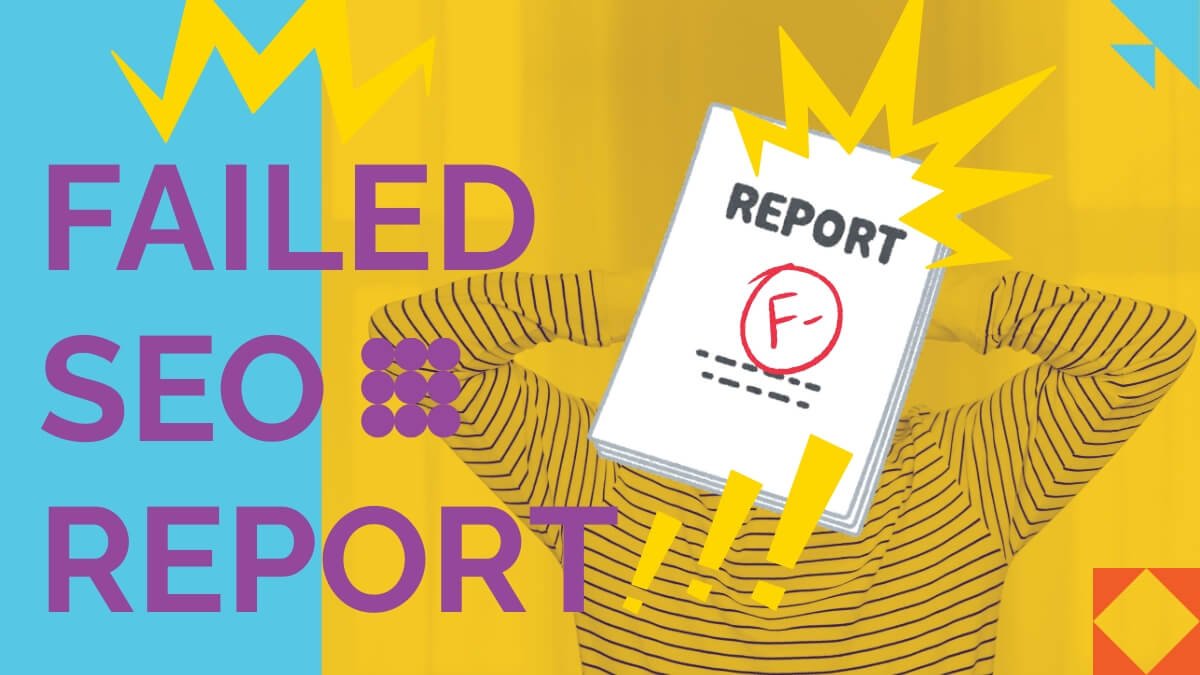
Em-Media pushed HubSpot hardcore – as if it would solve everyone’s problems. And guess what? It came with a lovely tool that would tell you how awful your website was and how you don’t rank for anything! Yes – there was an occasional website that passed the test, but it was few and far between. I remember it basically giving you an automatic fail if you didn’t have an SSL certificate (which was a big no-no, but maybe not worthy of the big dramatic F that was written on the paper).
Beyond HubSpot, each media outlet seemed to have their own tool or internal grading system. The radio station would grade people’s websites and show how they needed to advertise on Google. The local TV station did the same.
But there were actually some tools out there that were free that did very similar things but didn’t require any “paid fix.” GT Metrix was one of my favorites to look at from a technical standpoint. Google PageSpeed Insights was also super helpful.
Now, these tools just gave you grades and what was wrong. They didn’t go out of their way to tell you that your website was not going to rank online. They also seemed to ignore a lot of the fluff salespeople try to really scare you with. I’m not sure if they were really concerned about your meta description being too long or duplicated from page to page.
…and yes, these reports are still around, and your media sales reps will still bring them to your office and show you how you can fix it by buying their SEO plan.
What SEO Actually Is (And Why It’s Not a Checklist Item)
If you’ve been following along, you know SEO is not a product. You likely know it’s not a checklist of items, either. SEO is more of a process and a philosophy. It is the ongoing process of making your website clearer, more useful, and more informative for both users and search engines.
Where people get tripped up is assuming SEO is about tricks, hacks, or chasing rankings. Rankings are just a side effect. The real question is whether the changes you make help a search engine better understand your product. Sometimes that means adding content. Sometimes it means removing content. Sometimes it means restructuring pages, clarifying services, or explaining things you assumed were obvious but never actually said out loud on your site. “Better” can be subjective, which is why SEO so often comes with the frustrating answer of “it depends.”
But just because SEO is not a checklist doesn’t mean checklists aren’t allowed. Much like any good process, there are guidelines, best practices, and steps that help you get to a repeatable result.
And this is where, maybe, the tools go a bit too far to make the customer feel comfortable. “If I do these 100 things, my website will be better and I’ll be done.” Not quite.
Real Checklist Items We Actually Look At
You can find a 10-, 100-, or even a 1,000-step SEO checklist with a simple search. Every major SEO tool has one. Every digital agency has created their own (that you can likely download by giving away your email address). You can just head to ChatGPT and have them cook you up one real quick. They are not hard to find.
I am a man who loves a checklist. Marking things off gives me that dopamine hit on the same level as a pro athlete scoring a point. I love nothing more than to tell you to find a list and just go at it. But not all lists are created equal.
Weighted Importance
A good checklist will have items labeled based on importance. There are specific things that make a much larger impact than others. I know every single list has “make sure images have ALT text.” Most likely, your website is missing a ton of these, and they want to spend hours fixing the 300 missing ALT texts. If that has the same weight as, let’s say, having your homepage listed as NO INDEX, I would question that checklist.
Know Your Goal, Know Your Competition
Okay, the checklist won’t actually tell you this one. You have to do some digging yourself. What exactly are you trying to accomplish? Are you trying to speed up your website? Do you want to rank #1 for a specific term?
Understand that if you head to GT Metrix and work super hard on getting your website cleaned up to score 100%, it might not help at all if your competitors were already scoring poorly. If they are outranking you, it probably had nothing to do with website speed.
Fixing a bunch of meta titles and descriptions won’t help you outrank your competitors. It won’t help you speed up your website. It might help your click-through rate – but did you establish that your main goal is to get more people to click on your site from the SERP?
Understanding what you are trying to improve and who you are trying to beat is pretty important. Not sure if a checklist will help you do this, even though they have the items you likely need to address.
Content Related
Most tools are very technical and quite binary. Pass/fail. Yes/no. They tend to do a great job giving you technical information. Was your website fast? Do you have any 404 page errors? These are great if you are really trying to amplify your technical SEO game. But the majority of SEO is done through content.
Finding a checklist or tool that uncovers issues with content is super helpful. Sometimes websites are bloated, and there are duplicate pages talking about the exact same thing. Other times, you completely miss a topic, or the content is too thin to ever truly help a user. Uncovering these problems is usually a great way to increase your rankings and provide better content to your readers.
How Business Owners Should Evaluate SEO Help Going Forward
I’m not going to be overly critical of a business owner or brand going online and running some website audits or free SEO tools. There is nothing wrong with finding out where you stack up. But what I would prefer you do is also run that same test for your competitors. Not just the ones you can think of, but search online to see who is showing up. You would be surprised how many online juggernauts appear by doing things right. They might not buy that billboard or advertise on Facebook – but they worked some SEO magic and are stealing leads right from under your feet.
Compare scores against others in your industry. If everyone receives a failing grade, understand that the tool you are using is likely trying to get you to buy something. If everyone gets a passing grade except you, maybe it is that bad. And yes, sometimes there are tiebreakers, and doing that one little thing on your site might help make you jump to the top. I doubt it’s changing a heading from an H1 to an H2, but you never know.
Next time a sales rep comes in and drops off a free audit, just hand them a list of your competitors and ask if they could run the same report. Compare, contrast, and then ask what their process is for giving you a better score. If they respond with a package and not a question (what’s your main goal), politely decline and give a real SEO agency a call.

Recent Posts

How to Stand Out in a Cluttered Chamber Email